
Constructivism Intelligence™
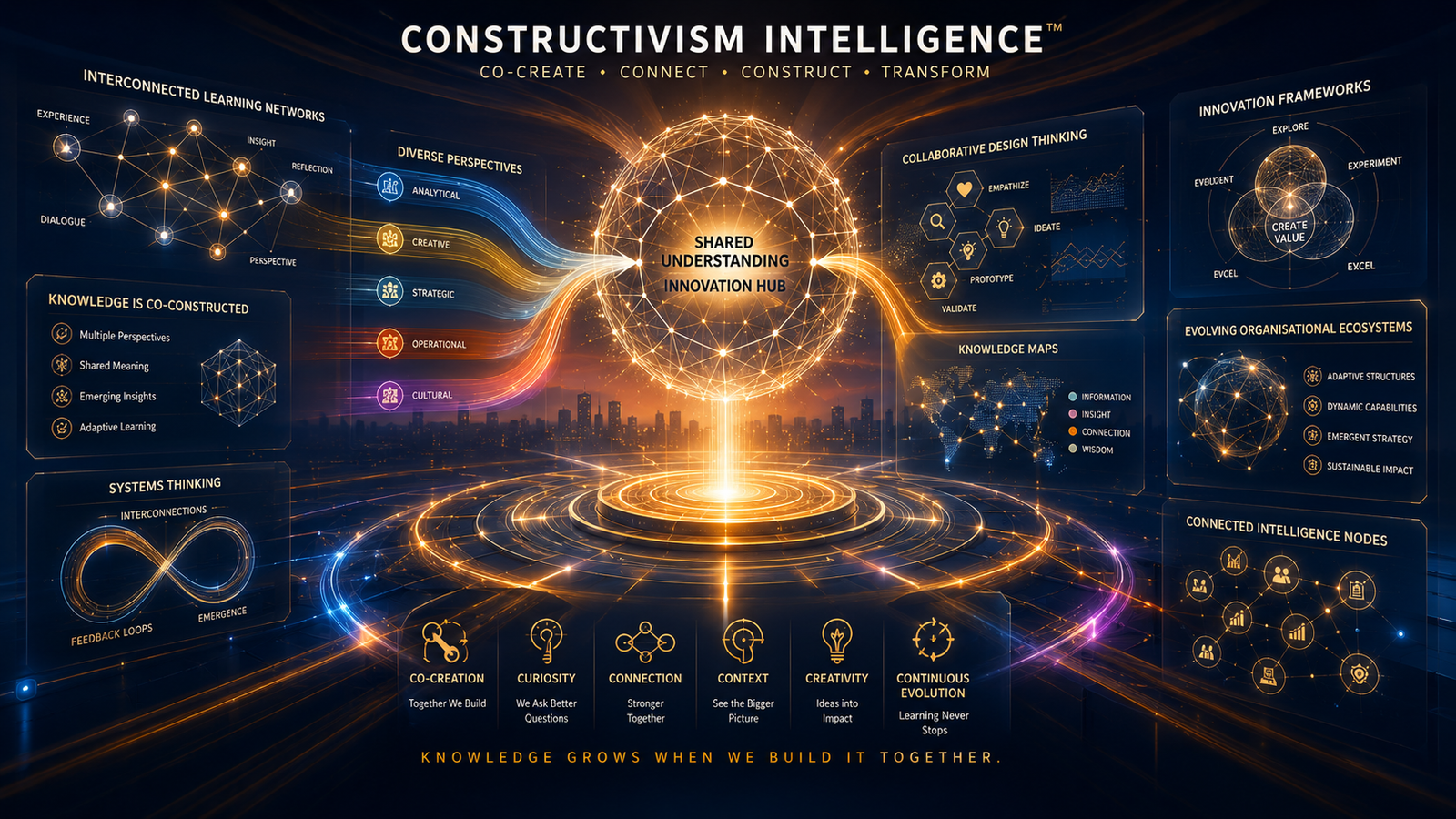
How leaders build capability in others — creating environments where learning is active, knowledge is co-constructed and people grow through experience rather than instruction alone.
What Is Constructivism Intelligence™?
Why Constructivism Intelligence™ Matters
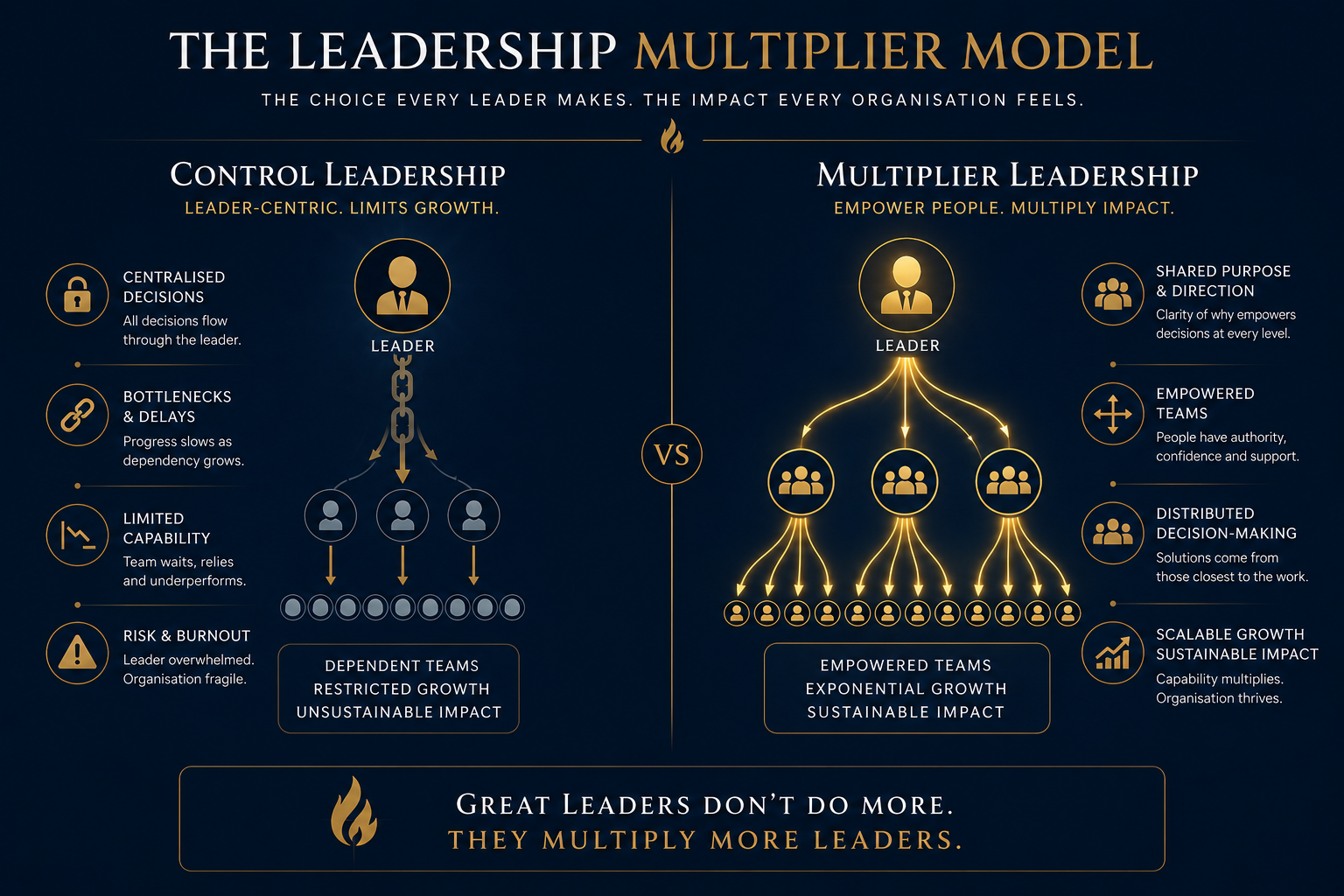
The most persistent bottleneck in any organisation is not knowledge — it is the distribution of knowledge. Leaders who hoard expertise, solve every problem themselves and provide answers rather than asking questions create dependency rather than capability.
Leaders with high Constructivism Intelligence build teams that get smarter over time. They create learning cultures where people develop through their work. The result is not just better performance today — it is a compounding organisational capability that becomes a genuine competitive advantage.
The question that reveals Constructivism Intelligence is not how much you know — it is how much smarter the people around you are becoming because of your leadership.
Who Constructivism Intelligence™ Is For
Constructivism Intelligence matters for every leader responsible for the development of others — including educators, clinical supervisors, line managers, coaches and senior leaders building organisational capability.
What High Constructivism Intelligence™ Looks Like
Question Before Answer
They resist the habit of providing solutions and instead ask questions that help others develop their own understanding and reasoning.
Learning Through Experience
They deliberately design work experiences that build capability — rather than allocating tasks purely on the basis of efficiency.
Thinking Out Loud
They share their reasoning process — not just their decisions — so others can understand how conclusions are reached.
Feedback as Learning
They give feedback that builds understanding rather than simply corrects behaviour — focusing on the thinking behind actions, not just the actions themselves.
Creating Psychological Safety
They create environments where questions, mistakes and uncertainty are safe to express — the precondition for genuine learning.
Building, Not Doing
They consistently ask: what could I do here that would build someone else’s capability — even if it would be faster to do it myself?
⚠️ Warning Signs
- Consistently solving problems that others could work through with support
- Providing answers before asking what the person already knows or has tried
- Avoiding delegation because it is easier or faster to do tasks personally
- Giving feedback that focuses on what went wrong rather than how to think differently
- Creating environments where admitting uncertainty feels professionally risky
- Measuring team performance by output alone rather than by capability growth
How to Develop Constructivism Intelligence™
Replace Answers With Questions
For one week, when someone brings you a problem, ask three questions before offering any solution: What do you already know? What have you tried? What do you think you should do next?
Share Your Thinking Process
When making a decision, explain your reasoning out loud to the relevant people — not just the outcome. This models the thinking process rather than just the conclusion.
Design Developmental Work
For each person you lead, identify one piece of work that stretches their capability beyond their current comfort zone. Brief it, support it and debrief it.
Reframe Mistakes as Data
When something goes wrong, ask: What did we learn? What would we do differently? before asking: What went wrong and who is responsible?
Audit Your Meetings
Review your last three team meetings. How much of the talking did you do? What questions did you ask? Whose thinking was developed by being in the room?
Constructivism Intelligence™ Across Sectors
🎓 Education
A school leader who coaches teachers through lesson planning rather than prescribing approaches builds pedagogical thinking that improves long after the coaching conversation ends.
🏥 Healthcare
A clinical leader who debriefs cases as learning experiences rather than performance reviews builds the reflective practice that prevents future errors.
🏢 Business
An executive who asks their leadership team to diagnose strategic problems before presenting solutions builds the analytical capability the organisation needs to scale.
🏛️ Public Sector
A public service leader who involves frontline staff in policy design builds both better policy and the professional commitment that improves implementation.
👥 HR & People
An HR leader who coaches managers through people challenges rather than prescribing solutions builds leadership capability across the organisation.
🚀 Entrepreneur
A founder who deliberately creates learning experiences for their team rather than doing everything themselves builds the capability the business needs to operate without founder dependency.
Leadership Reflection Questions
- In the last month, what capability did I build in someone else that wouldn’t exist without my leadership?
- Where do I habitually provide answers that the other person could reach themselves with support?
- How psychologically safe is it for people in my team to admit they don’t know something?
- When did I last share my reasoning process — not just my decision — with the people I lead?
- Which pieces of work am I holding onto that would develop someone else if I delegated them?
- How would I describe the learning culture I am creating — and how would the people I lead describe it?
Frequently Asked Questions
What is Constructivism Intelligence™?
Constructivism Intelligence™ is one of nine domains in the Leadership Intelligence Compass™. It measures how effectively a leader builds knowledge, capability and understanding in others through their leadership practice.
Is Constructivism Intelligence™ only relevant in education?
No. While rooted in learning theory, the domain applies to any leader responsible for developing the capability of others — in any sector or context.
How is Constructivism Intelligence™ different from coaching?
Coaching is one tool. Constructivism Intelligence™ is the broader leadership disposition shaping how a leader approaches every interaction — not just formal coaching conversations.
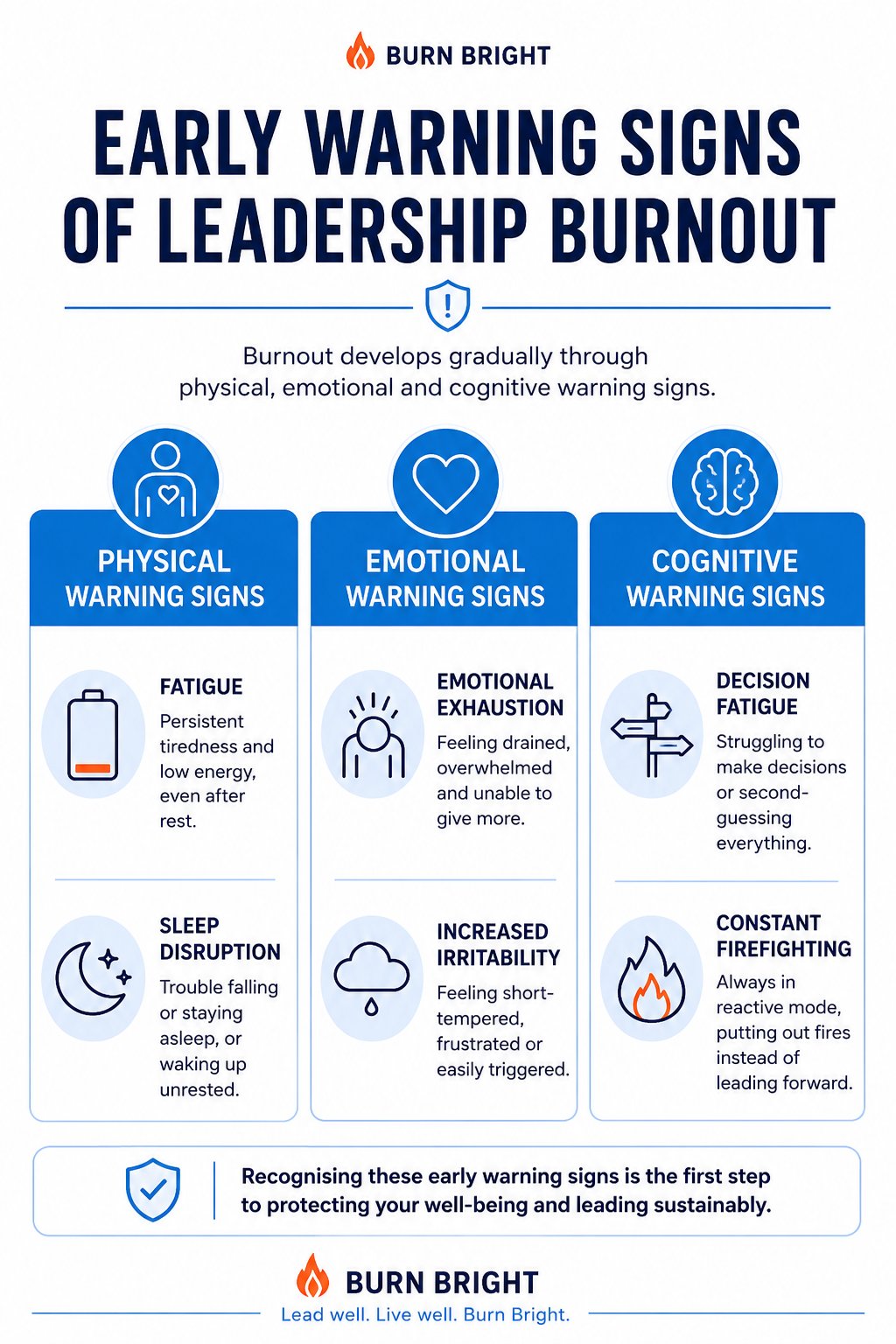
How does low Constructivism Intelligence create burnout risk?
Leaders with low Constructivism Intelligence often become organisational bottlenecks — their teams cannot operate independently, which increases leader workload, decision overload and eventual exhaustion.
How is Constructivism Intelligence™ assessed?
As part of the Leadership Intelligence Compass™ Assessment — a 36-statement instrument covering all nine domains.
Measure Your Constructivism Intelligence™
Take the Leadership Intelligence Compass™ Assessment to see how you score across all nine domains — including a personalised radar chart and development recommendations.
Free Leadership Intelligence
Get Weekly Leadership Insights
Practical strategies on leadership development, burnout prevention and sustainable performance — every week.
The Leadership Intelligence Journey
Every domain strengthens your progress along the full leadership journey.
Explore All 9 Compass™ Domains