
Ethics Intelligence™
How leaders navigate moral complexity, uphold integrity under pressure and create cultures where the right thing to do is also the normal thing to do.
What Is Ethics Intelligence™?
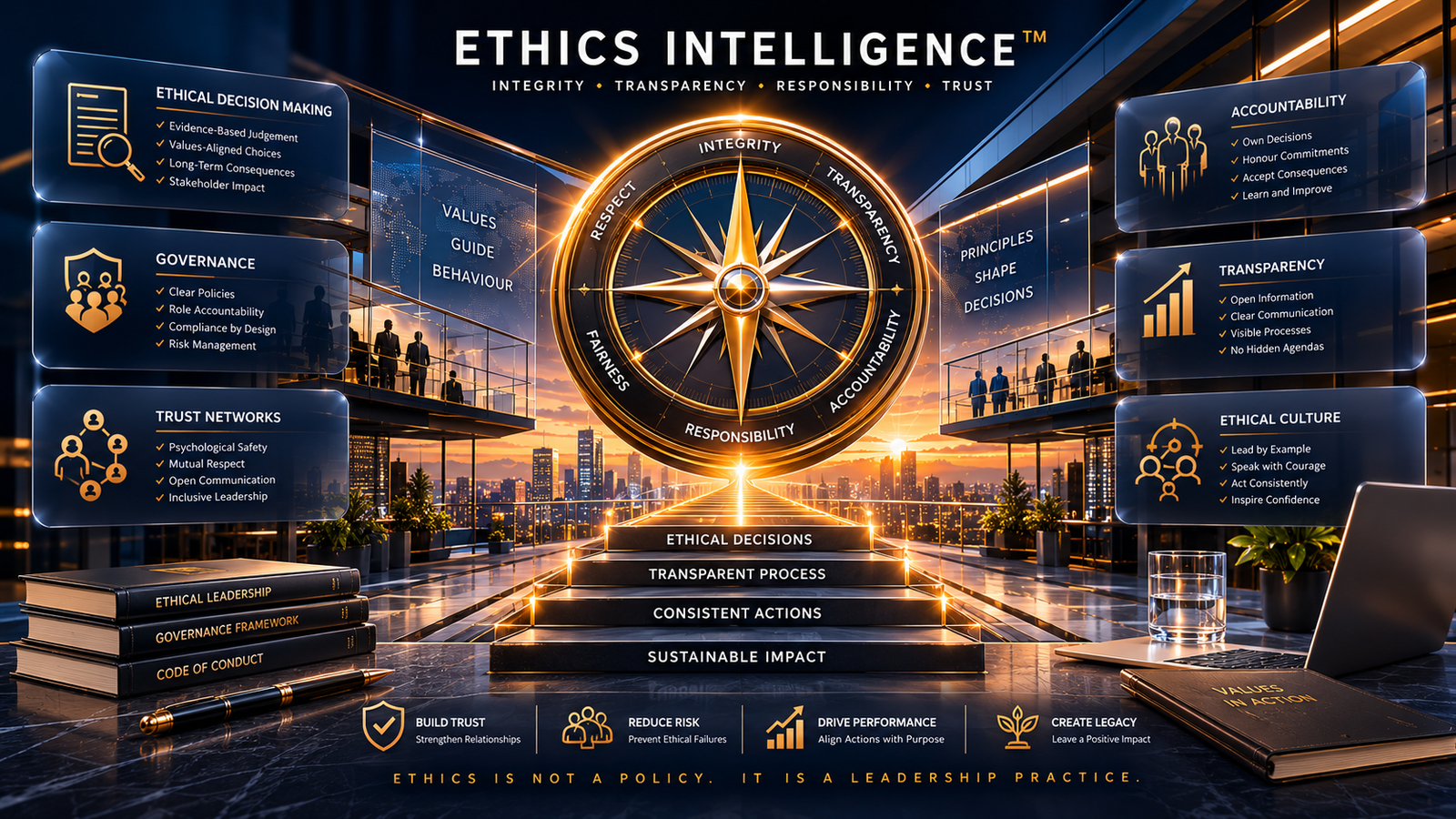
Why Ethics Intelligence™ Matters
Every leadership decision has an ethical dimension. Not always obvious. Not always dramatic. But consistently present. How a leader handles confidential information, how they balance competing stakeholder interests, how they respond when policy and principle conflict — these moments define organisational culture far more than any values statement.
Leaders with high Ethics Intelligence create environments where people speak up, where problems surface early and where trust becomes a measurable organisational asset. Leaders with low Ethics Intelligence — even when technically competent — create environments where people protect themselves rather than the organisation.
Integrity is not what leaders claim to stand for. It is what they consistently do when the decision is difficult and the cost is real.
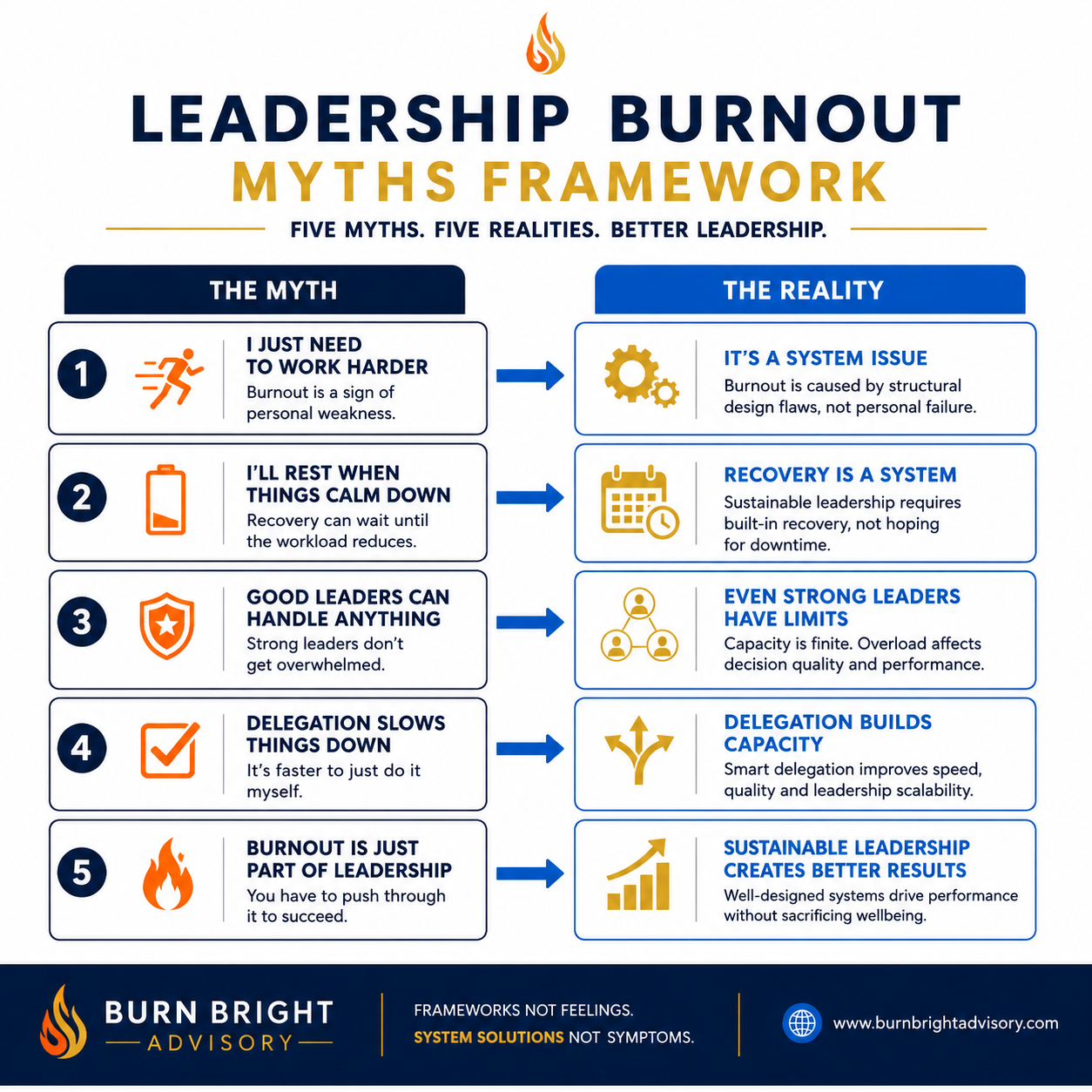
Who Ethics Intelligence™ Is For
Ethics Intelligence is critical for any leader who holds authority over people, resources, information or decisions that affect others. It is especially important in public service, healthcare, education and any organisation that claims values as part of its identity.
What High Ethics Intelligence™ Looks Like
Principled Decision Making
They apply consistent ethical reasoning to decisions — not just rules — and can articulate why a decision is right, not just whether it is permitted.
Information Integrity
They handle sensitive data, confidential information and personal disclosures with care, judgment and appropriate boundaries.
Honest Communication
They communicate truthfully — including about uncertainty, mistakes and unwelcome news — rather than managing perception at the expense of accuracy.
Protecting Others
They use their authority to protect the most vulnerable in their organisation, not to advance personal or political interests.
Calling Out What Isn’t Right
They address ethical breaches — in themselves and others — rather than allowing culture to drift through silence or avoidance.
Values Under Pressure
Their ethical standards do not shift when facing pressure, convenience or personal cost. Consistency across contexts is the defining marker.
⚠️ Warning Signs
- Making exceptions to ethical standards under pressure or for favoured individuals
- Sharing confidential information informally to build rapport or influence
- Staying silent when policies, behaviours or decisions fall below acceptable standards
- Prioritising reputation management over accurate, honest communication
- Rationalising ethical compromises as pragmatism or realism
- Different standards for different people based on seniority or relationship
How to Develop Ethics Intelligence™
Map Your Ethical Flashpoints
Identify the three situations where you find it hardest to maintain ethical standards. For each one, define in advance what you will do — before the pressure arrives.
Practise Ethical Reasoning
When facing a grey-area decision, write out: Who is affected? What are my obligations to each? What would I be comfortable defending publicly? What would I advise someone else to do?
Create Psychological Safety for Challenge
Ask your team directly: Is there anything happening here that you think I should know about but haven’t raised? Their willingness to answer honestly measures your Ethics Intelligence.
Review Your Communication Honestly
Read back three recent important communications. Did they accurately represent the situation? Did they tell people what they needed to know — or what you wanted them to think?
Build Ethical Accountability
Identify one trusted colleague who will challenge you when they see you rationalising something you shouldn’t. Give them explicit permission to do so.
Ethics Intelligence™ Across Sectors
🎓 Education
A school leader who acknowledges safeguarding failures publicly rather than managing them quietly creates the psychological safety that protects future students.
🏥 Healthcare
A clinical leader who reports near-misses accurately rather than protecting the team’s reputation builds the learning culture that prevents serious incidents.
🏢 Business
An executive who declines a commercially attractive relationship because of ethical concerns demonstrates the integrity that builds long-term reputation.
🏛️ Public Sector
A public servant who tells elected officials what they need to hear rather than what they want to hear fulfils the ethical obligation that public service requires.
👥 HR & People
An HR leader who investigates complaints involving senior people with the same rigour as junior staff demonstrates the fairness that makes culture real.
🚀 Entrepreneur
A founder who discloses product limitations honestly to clients rather than overpromising builds the trust that creates sustainable commercial relationships.
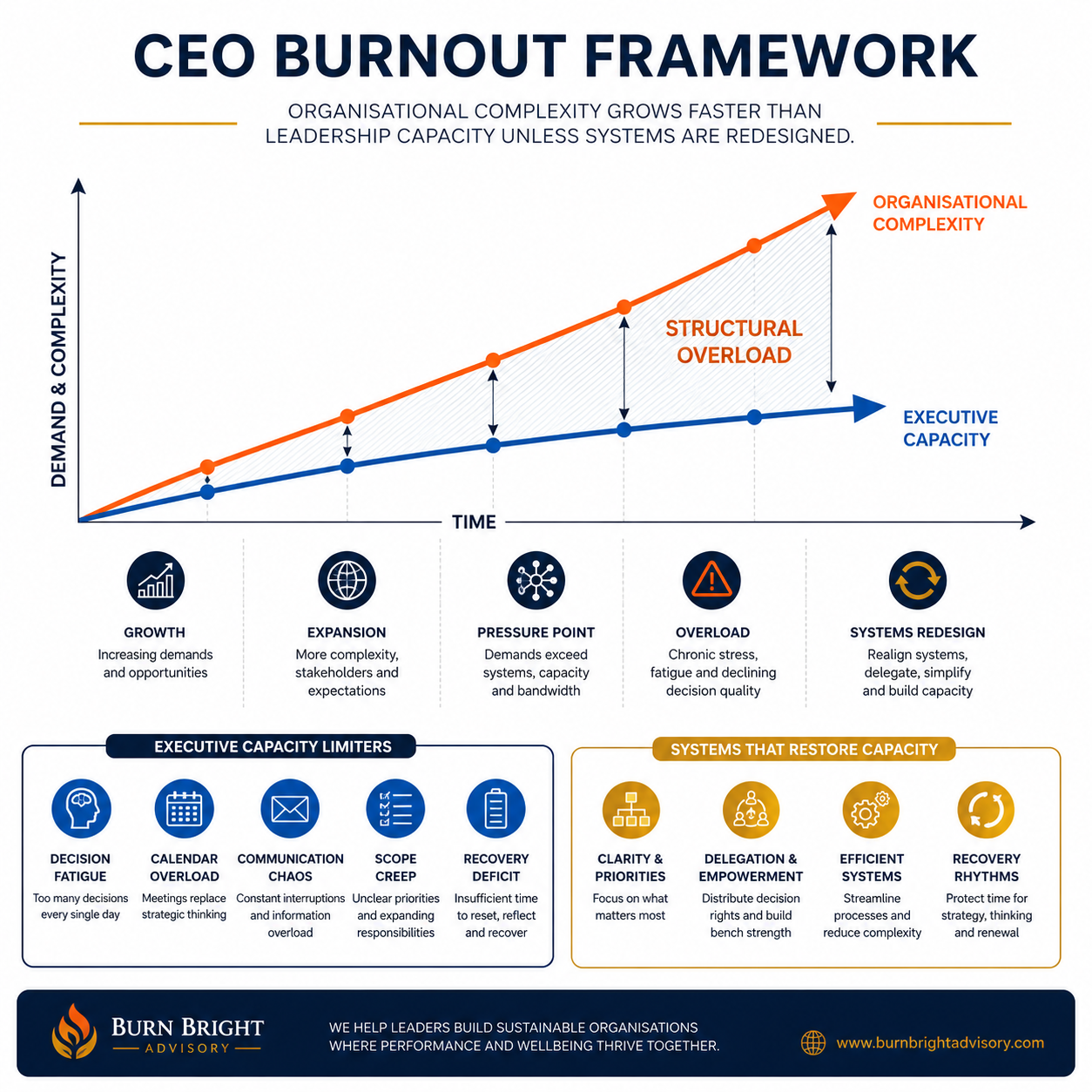
Leadership Reflection Questions
- Where do I most commonly find myself rationalising an ethical compromise as pragmatism?
- When did I last stay silent about something I knew was wrong — and what stopped me speaking?
- How consistent are my ethical standards across different levels of seniority in my organisation?
- What information do I hold that others need in order to make fully informed decisions?
- How would I behave in this situation if I knew it would be reported publicly tomorrow?
- What would my most honest colleague say about the gap between my stated values and my actual decisions?
Frequently Asked Questions
What is Ethics Intelligence™?
Ethics Intelligence™ is one of nine domains in the Leadership Intelligence Compass™. It assesses how consistently and effectively a leader identifies, reasons through and acts on ethical considerations — especially under pressure.
Is Ethics Intelligence™ the same as following rules?
No. Rule-following is compliance. Ethics Intelligence™ is the deeper capacity to reason through situations that rules don’t fully cover and to make principled decisions even when the answer is uncomfortable or costly.
Can Ethics Intelligence™ be developed?
Yes, significantly — through structured ethical reflection, exposure to diverse perspectives, deliberate practice in grey-area reasoning and accountability structures that create honest challenge.
How does Ethics Intelligence™ affect organisational culture?
Leaders with high Ethics Intelligence create environments where people speak up and problems surface early. Low Ethics Intelligence creates cultures of self-protection that make organisations fragile.
How is Ethics Intelligence™ assessed?
As part of the Leadership Intelligence Compass™ Assessment — a 36-statement instrument covering all nine domains.
Measure Your Ethics Intelligence™
Take the Leadership Intelligence Compass™ Assessment to see how you score across all nine domains — including a personalised radar chart and development recommendations.
Free Leadership Intelligence
Get Weekly Leadership Insights
Practical strategies on leadership development, burnout prevention and sustainable performance — every week.
The Leadership Intelligence Journey
Every domain strengthens your progress along the full leadership journey.
Explore All 9 Compass™ Domains